"Radium" Is Commonly Used As A Generic Term For Reflective Films. True Radium Film Is Photo-Luminescent (Glow-In-The-Dark), Absorbing Light And Slowly Releasing It In The Dark. Retro-Reflective Films Use Micro-Prisms Or Glass Beads To Reflect Light Directly Back To The Source (E.G., Car Headlights), Providing Immediate, Bright Visibility At Night.
x
C
A
H
Welcome to Classic Acrylic House - Quality Acrylic Sheets & Films
We're Open: Sat - Thu 8:00 - 18:00

- Call Us for Orders!
- +91 95458 78652
- Visit Our Store
- Bhawani Peth, Pune - 411042
- Email Us
- info@classicacrylichouse.com

Radium and Vinyl Films
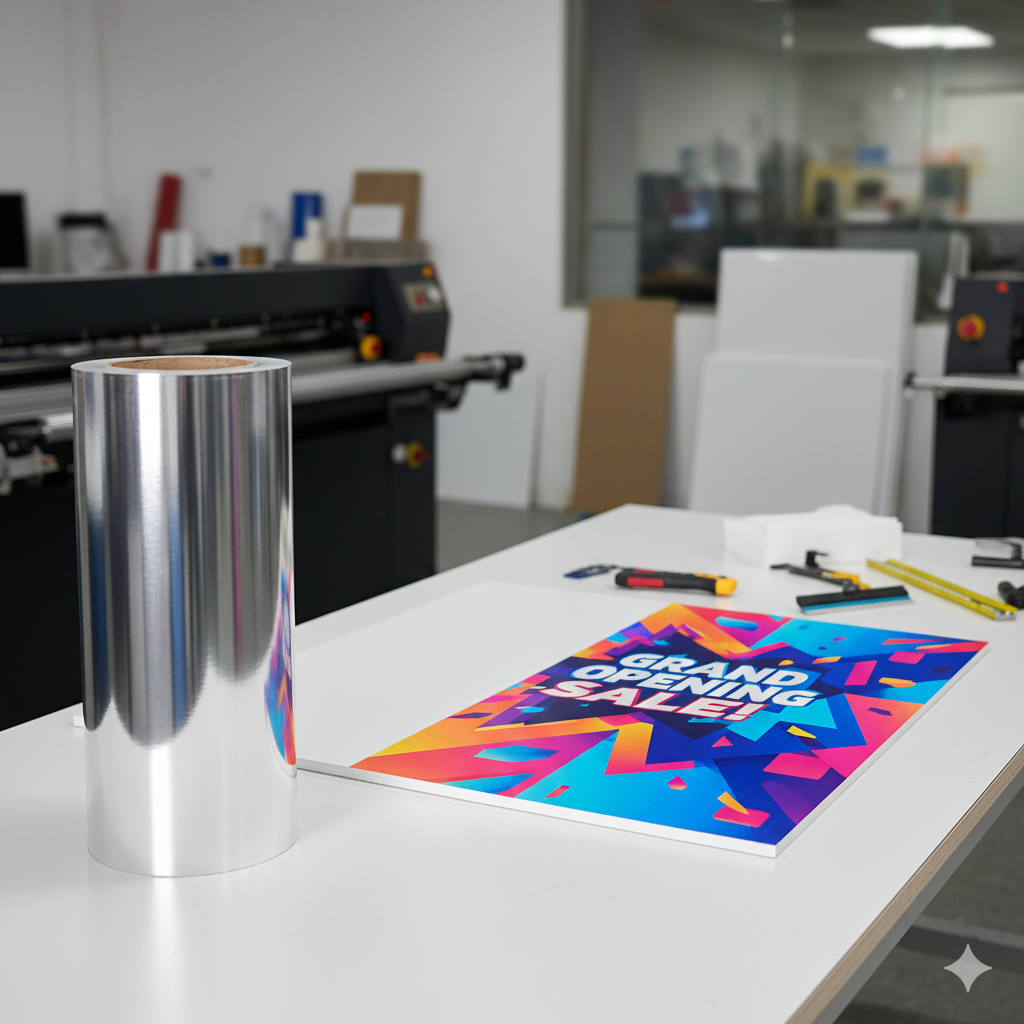
Radium And Vinyl Films - Signage & Branding
High Visibility | Durability & Versatility
We Offer A Comprehensive Selection Of Self-Adhesive Vinyl Films And Radium (Reflective/Glow) Films Crucial For Advertising, Vehicle Wraps, Safety Signage, And Graphic Applications. Vinyl Films Are Versatile For Cutting, Printing, And Branding, While Radium Films Ensure Maximum Visibility In Low-Light Conditions.
From Glossy, Matte, And Metallic Colored Vinyl For Vehicle Lettering And Indoor Graphics To Engineering-Grade Reflective Films For Road Safety Signs And Emergency Markings, Our Films Provide High Performance, Excellent Adhesion, And Weather Resistance For Both Indoor And Prolonged Outdoor Use.
Key Features & Benefits
Technical Specifications
| Film Type / Property | Specification |
|---|---|
| Material | Polymer PVC (Vinyl) Or PET/Acrylic (Radium/Reflective) |
| Types Available | Standard Calendered, Cast, Retro-Reflective, Photo-Luminescent |
| Standard Roll Sizes | 48 Inches, 54 Inches, 60 Inches (Width), 50m (Length) |
| Thickness (Mil/Micron) | 80-150 Microns (Varies By Product) |
| Adhesive Type | Permanent Or Removable Acrylic Pressure-Sensitive |
| Outdoor Durability | 3 To 7 Years (Varies By Grade And Brand) |
| Radium Grade | Commercial Grade, Engineering Grade, High-Intensity Prismatic |
Applications
Radium And Vinyl Films Are Essential For All Visual Communication And Safety Needs:
- Advertising & Branding: Billboards, Hoardings, Display Panels, Retail Graphics
- Vehicle Graphics: Wraps, Lettering, Fleet Branding, Reflective Vehicle Marking
- Safety Signage: Road Signs, Construction Safety Boards, Emergency Exit Paths (Glow-In-The-Dark)
- Interior Decor: Wall Decals, Decorative Graphics On Glass And Walls
- Craft & Hobby: Plotter-Cut Lettering And Intricate Designs
Key Variants
Vinyl Films: Used For General Purpose Graphics, Printing, And Lettering. Cast Vinyl Is High-Performance And Conforms Well To Curves (Ideal For Vehicle Wraps), While Calendered Vinyl Is Cost-Effective For Flat Surfaces.
Radium (Reflective) Films: Essential For Visibility. They Use Glass Beads Or Prismatic Technology To Bounce Light Back To The Source, Maximizing Night-Time And Low-Light Detection For Safety.
Frequently Asked Questions
Get Answers To Common Questions About Radium And Vinyl Films. For Additional Information, Contact Our Team.
-
What Is The Difference Between Radium And Retro-Reflective Films?
-
Can Vinyl Films Be Printed On?Yes, We Stock Printable Vinyl Films Specifically Engineered For Large Format Digital Printing Using Solvent, Eco-Solvent, UV, Or Latex Inks. These Printable Films Are Crucial For Creating Full-Color Graphics, Advertisements, And Photographic Quality Signage.
-
How Is A Reflective Film Graded For Durability?Reflective Films Are Categorized By Performance: Commercial Grade (Short-Term), Engineering Grade (Mid-Term Durability, 5–7 Years For Traffic Signs), And High-Intensity Prismatic Grade (Premium, Long-Term Durability, Highest Reflectivity For Highway Use).