The Multiwall Structure Creates Air Pockets (Similar To Double-Pane Glass) Between The External And Internal Surfaces. These Trapped Air Chambers Act As Highly Effective Thermal Barriers, Significantly Reducing Heat Transfer And Making The Material Ideal For Energy-Efficient Enclosures Like Conservatories, Greenhouses, And Industrial Buildings.
x
C
A
H
Welcome to Classic Acrylic House - Quality Acrylic Sheets & Films
We're Open: Sat - Thu 8:00 - 18:00

- Call Us For Orders!
- +91 95458 78652
- Visit Our Store
- Bhawani Peth, Pune - 411042
- Email Us
- info@classicacrylichouse.com

Polycarbonate Multiwall Roofing Sheets
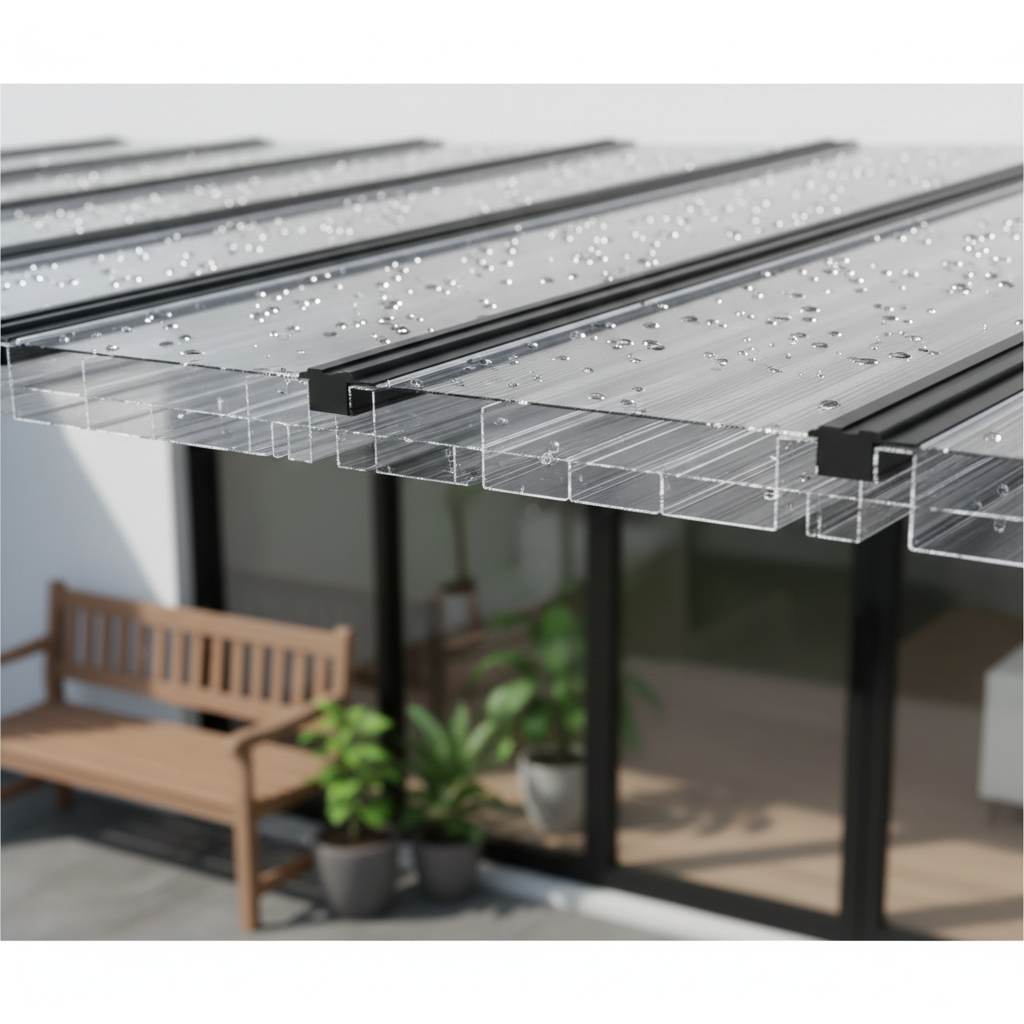
Polycarbonate Multiwall Roofing Sheets - Energy Efficient Glazing
High Impact Strength | Superior Thermal Insulation | UV Protected
Polycarbonate Multiwall Roofing Sheets are characterized by their innovative cellular structure, which provides exceptional advantages in Thermal Insulation and Impact Resistance. Made from high-grade Polycarbonate (PC), a material renowned for its extreme toughness, these roofing sheets are virtually unbreakable and offer superior weather protection for years.
Ideal for Canopies, Skylights, Greenhouses, Pergolas, Industrial Roofing, and Architectural Glazing, the Multiwall construction creates air chambers that dramatically reduce heat transfer while allowing excellent natural light transmission. Available in various thicknesses (Twin-Wall, Triple-Wall, Five-Wall) and colors, they are the preferred choice for durable, lightweight, and energy-efficient roofing solutions.
Key Features & Benefits
Technical Specifications
| Property | Specification |
|---|---|
| Material | Virgin Polycarbonate (PC) |
| Structure Types | Twin-Wall, Triple-Wall, Five-Wall (Multiwall) |
| Standard Sizes | 2.1m (W) × 5.8m (L), 2.1m (W) × 11.8m (L), Custom Lengths Available |
| Thickness Range | 4mm, 6mm, 8mm, 10mm, 16mm, 20mm, 25mm |
| Colors Available | Clear/Transparent, Bronze, Opal White, Green, Blue, Grey |
| Light Transmission | 40% To 80% (Varies By Thickness And Color) |
| U-Value (Thermal Insulation) | 3.9 W/m²K (Twin-Wall) To 1.2 W/m²K (Five-Wall) |
| Temperature Range | -40°C To +120°C |
| UV Protection | Co-Extruded UV Layer (One Or Both Sides) |
| Impact Strength | 200 Times Greater Than Glass |
| Warranty | 10 Years Against Yellowing (With Proper Installation) |
Applications
Polycarbonate Multiwall Roofing Sheets Are Ideal For High-Performance Glazing And Roofing Applications:
- Architectural Glazing: Canopies, Walkways, Awnings, Porticos, Entrance Covers
- Industrial Roofing: Factory Shed Roofing, Warehouse Skylights, Stadium Roofing
- Agricultural Applications: Commercial Greenhouses, Polyhouses, Solariums
- Safety Barriers: Highway Sound Barriers, Protective Machine Guards
- Residential Projects: Patio Covers, Carports, Pool Enclosures, Terrace Roofing
- Commercial Spaces: Shopping Mall Atriums, Office Building Skylights
Structure Types Explained
Twin-Wall (Double Wall): The Most Economical Option, Offering Good Light Transmission And Thermal Properties. Typically Used For Small Canopies, Greenhouses, And Residential Applications. Thickness: 4mm, 6mm, 8mm, 10mm.
Triple-Wall (Three Layer): Provides Better Thermal Insulation And Rigidity Compared To Twin-Wall. Ideal For Medium-Span Roofing Where Enhanced Energy Efficiency Is Required. Thickness: 10mm, 16mm.
Five-Wall (Multi-Layer): Offers The Best Thermal Insulation And Structural Performance. Perfect For Large-Span Industrial Roofing, Commercial Buildings, And Applications Where Maximum Energy Efficiency Is Critical. Thickness: 16mm, 20mm, 25mm.
Installation Guidelines
UV Protection Orientation: Always Install With The UV-Protected Side (Marked With Film) Facing Outward Toward The Sun.
Minimum Slope: Maintain A Minimum Slope Of 5° For Proper Water Drainage.
Support Spacing: Follow Manufacturer Guidelines For Purlin Spacing Based On Sheet Thickness And Local Wind/Snow Loads.
Sealing: Use Compatible Polycarbonate Profiles, Caps, And Sealants To Ensure Weatherproof Installation.
Frequently Asked Questions
Get Answers To Common Questions About Polycarbonate Multiwall Roofing Sheets. For Additional Information, Contact Our Team.
-
How Do Multiwall Sheets Provide Thermal Insulation?
-
Which Side Should Face The Sun (UV Protection)?The Sheets Have A Co-Extruded UV Protective Layer On One Side (Sometimes Both). This UV-Protected Side Must Face Outward Toward The Sun To Protect The Sheet From Yellowing And Degradation. This Side Is Clearly Marked With The Manufacturer's Logo And Protected Film Label.
-
Can Multiwall Sheets Be Curved Or Bent?Yes, Polycarbonate Multiwall Roofing Sheets Can Be Cold-Bent On-Site To A Certain Radius, Allowing For Curved Roofing And Architectural Features Like Barrel Vaults And Arched Canopies. The Minimum Bending Radius Depends On Sheet Thickness; Thicker Sheets Require A Larger Radius. Consult Our Technical Guide For Specific Bending Limits.
-
What Is The Lifespan Of Multiwall Roofing Sheets?With Proper Installation And The UV-Protected Side Facing Outward, Polycarbonate Multiwall Roofing Sheets Can Last 10-15 Years Or More. The UV Protection Layer Prevents Yellowing And Maintains Clarity. Regular Cleaning And Maintenance Can Further Extend The Lifespan.